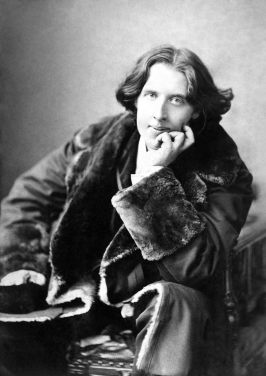
A wonderful and wise quote from Oscar Wilde:
“Be yourself, everyone else is taken.”
A wonderful and wise quote from Oscar Wilde:
“Be yourself, everyone else is taken.”
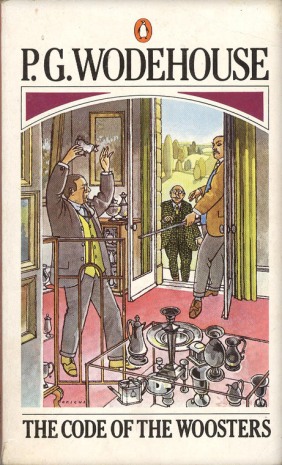
Are you gruntled today?
Obviously dislike is the opposite of like and disrespect is lack of respect. So when is this prefix not the negative and why? I didn’t know, so I researched it. The result was interesting.
From John Carlson: I have, for some time, been fascinated by the word disgruntled. How may you be disgruntled if you are not already gruntled? I do not know what gruntled is and I have not been able to find that word in the dictionaries that I have examined. Any thoughts about gruntled and disgruntled?
Years ago I wrote a piece about such unpaired opposites, whose first example was this word. It quoted P G Wodehouse’s The Code of the Woosters, published in 1938: “He spoke with a certain what-is-it in his voice, and I could see that, if not actually disgruntled, he was far from being gruntled.” So, if you were the opposite of disgruntled you would be pleased, satisfied, and contented.
Wodehouse invented this sense and has been quoted or flatteringly imitated many times since (as in Men at Arms by Terry Pratchett: “‘No, that man,’ said Angua, ‘[with a] face like someone very disgruntled.’ ‘Oh, that was Captain Vimes. But he’s never been gruntled, I think.’”)
The assumption behind it is that putting dis- on the front of a word makes it negative in meaning in some way, as in disappear, discontent, disconnect, dishonest, and dozens of others. That’s still an active way of making new words — it has been used in recent decades to create disinformation, disambiguate and many others. Sometimes, however — very rarely and only in old words — dis- is what the grammarians call an intensifier: it makes an existing sense stronger. For example, the unusual word disannul was used in the sense “to make null and void, bring to nothing, abolish” and dissever means “to divide, separate, disjoin.” A third example is disgruntle, which at root suggests somebody is more than merely gruntled. But gruntled here doesn’t have its Wodehousian sense, quite the reverse.

Here is a word I didn’t know:
Anodyne
Not likely to provoke dissent or offense; inoffensive, often deliberately so.

A lie can get halfway around the world before the truth can get out of bed and lace up its boots.
Winston Churchill (maybe), Mark Twain (probably not) and others

Did your Mother ever read you the riot act? Well, she had really good history behind her.
In 1714, Parliament, at the behest of King George I, enacted the Riot Act. He was nervous about his subjects. If 12 or more people gathered in “tumultuous assembly,” a magistrate could read aloud the the Riot Act. Thereafter, they had one hour to disperse or could be arrested.
You only had to contend with your father.

Museum means house of the muses. How about that?

Con artists call their victim a “mark.” Ever wonder how the term was derive. In the old carnival days, the barkers would look for a chalk mark on a suckers back, put there by a prior barker. Then he knew he had a mark.
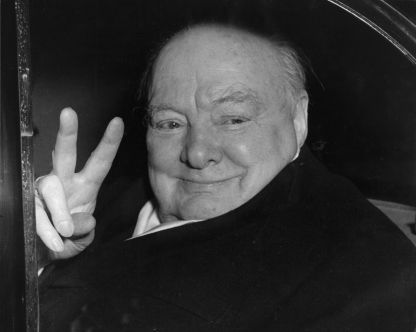
When asked about his views of a dangling participial, Churchill responded:
“That is something up with which I will not put.”
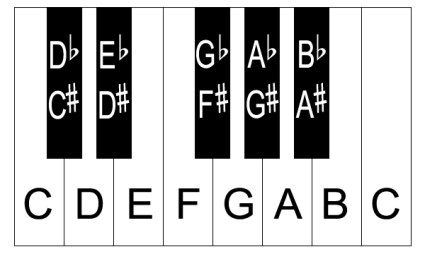
Think about this. All western music, all classical, jazz, country, pop, r&b, rock& roll, and everything else is made up of only 12 notes. Just 12 notes!
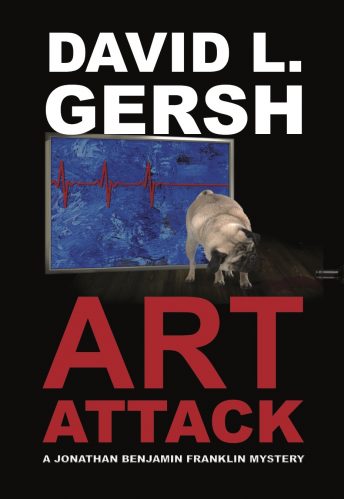
You’re invited to the book signing of David Gersh’s newest novel ART ATTACK, the third installment in the Jonathan Benjamin Franklin Mystery Series. The event will take place at Tecolote Book Shop in Montecito from 3PM-5PM on Saturday, September 10. There will be wine, cheese, and a biscuit for your Rufus!
 David Gersh